


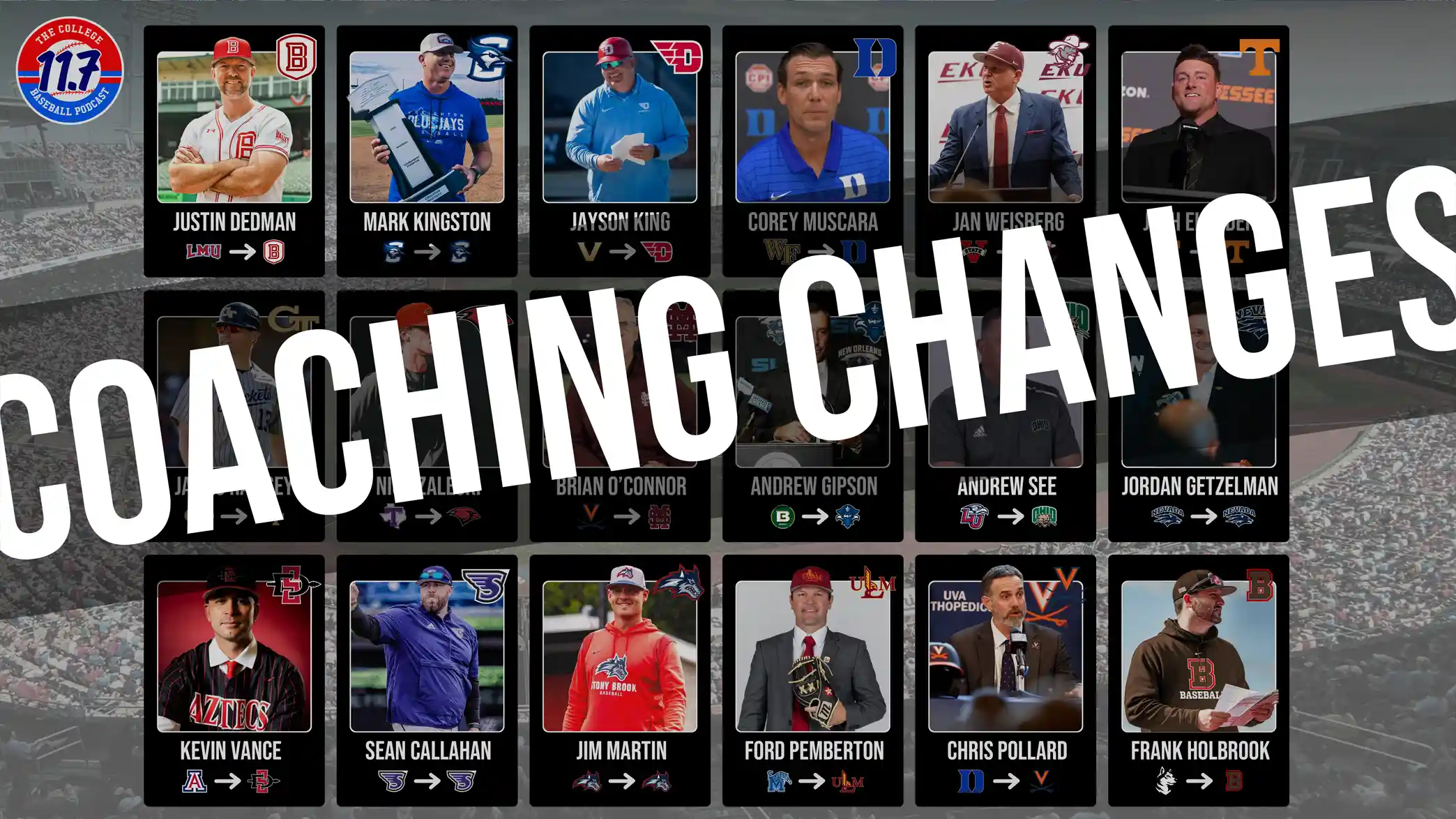
You don’t see this kind of shakeup every year.
The 2025–26 offseason didn’t just swap chairs — it reoriented some programs. There’s a mix of powerhouse hires, identity shifts, and smart bets that could pay dividends for years. Here’s the real deal on the biggest coaching moves and why they matter.
From: Associate Head Coach under Tony Vitello
To: Head Coach, Tennessee
This is huge. Tennessee just became the first program in college baseball history to see its head coach jump directly from college to MLB manager level.
Vitello didn’t just win — he built the most dominant regular-season program in the SEC over the last few years, capped by a 2024 national title and an SEC era that saw Tennessee racking up wins, power numbers, and a culture of excellence.
Elander steps in off that staff and has actually been in the engine room of that success — offensive identity, player development, and recruiting. He already made a splash by hiring Chuck Jeroloman — a top assistant from Florida with a legit resume and recruiting chops.
This isn’t a placeholder hire — it’s continuity with momentum.
From: Virginia Head Coach
To: Mississippi State Head Coach
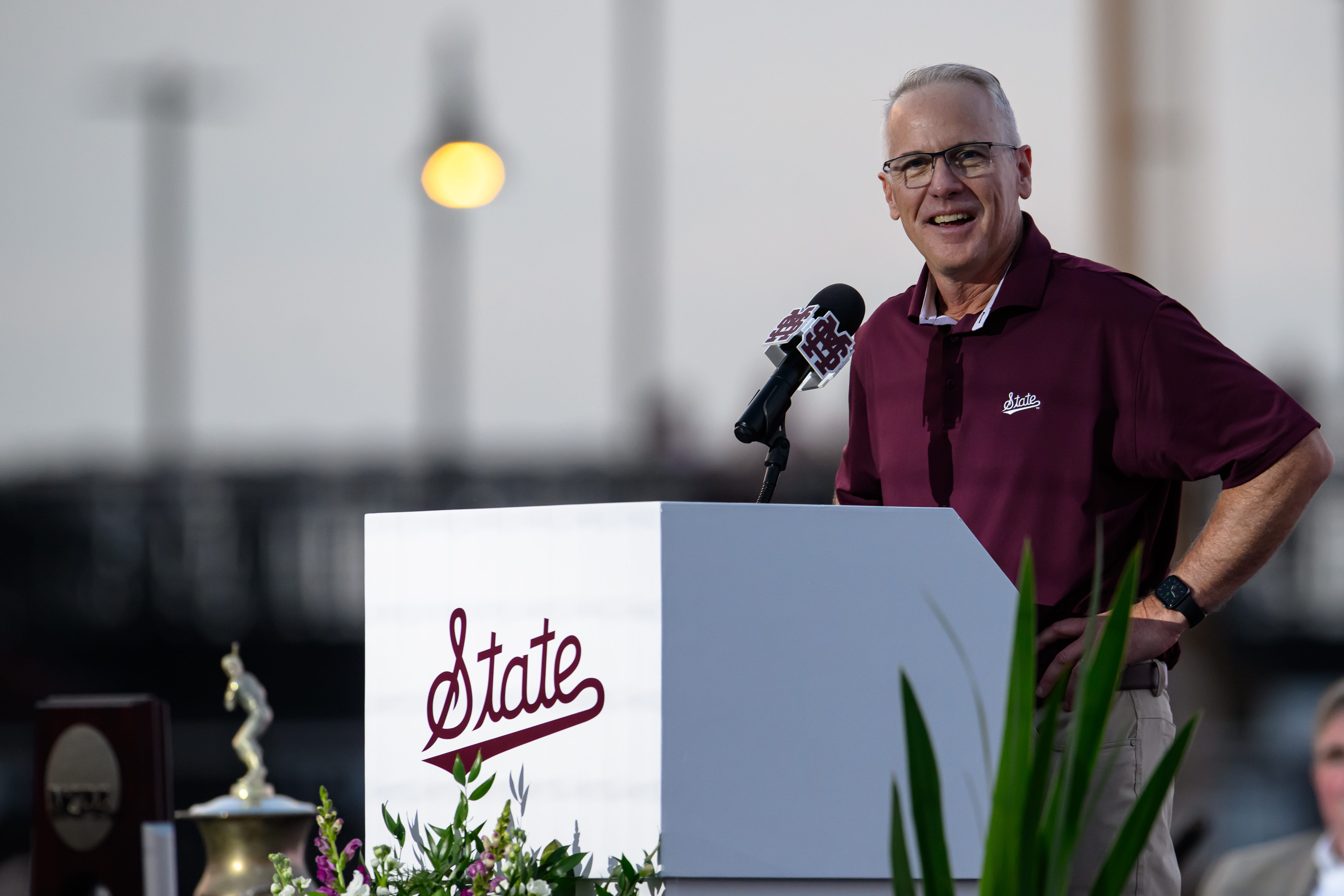
This is as big as it gets in college baseball. O’Connor doesn’t just have wins — he built Virginia into a national brand: seven College World Series, a national title, consistent NCAA runs, a Hall of Fame resume and one of the most respected coaching bodies in the sport.
Landing him isn’t just replacing a coach — it’s a signal that Mississippi State is back in the national conversation. The Bulldogs have tradition and fan energy, and O’Connor brings consistent elite results and player development credibility.
From: Duke Head Coach
To: Virginia Head Coach
Virginia didn’t punt after losing O’Connor. They landed another coach with a proven track record — Pollard turned Duke into a consistent postseason threat with ACC titles and multiple NCAA appearances.
This is not a rebuild hire — it’s continuity at a high level of competition, which is exactly what a program with Virginia’s expectations needs.
From: Vanderbilt Assistant
To: Dayton Head Coach
King went from Dayton head coach to Vanderbilt assistant and now back to Dayton with SEC experience added to his résumé. That’s the kind of hybrid background mid-majors need — a seasoned builder who’s tasted elite-level recruiting and player development.
From: Northeastern Assistant
To: Brown Head Coach
Holbrook is one of those hires you sleep on at your own risk. Northeastern has been competitive in the Northeast, and Holbrook’s history of maximizing talent and absolutely crushing recruiting inefficiencies makes him an Ivy League threat. This could be the start of Brown swinging above its historical weight.
From: Georgia Tech Associate Head Coach
To: Georgia Tech Head Coach
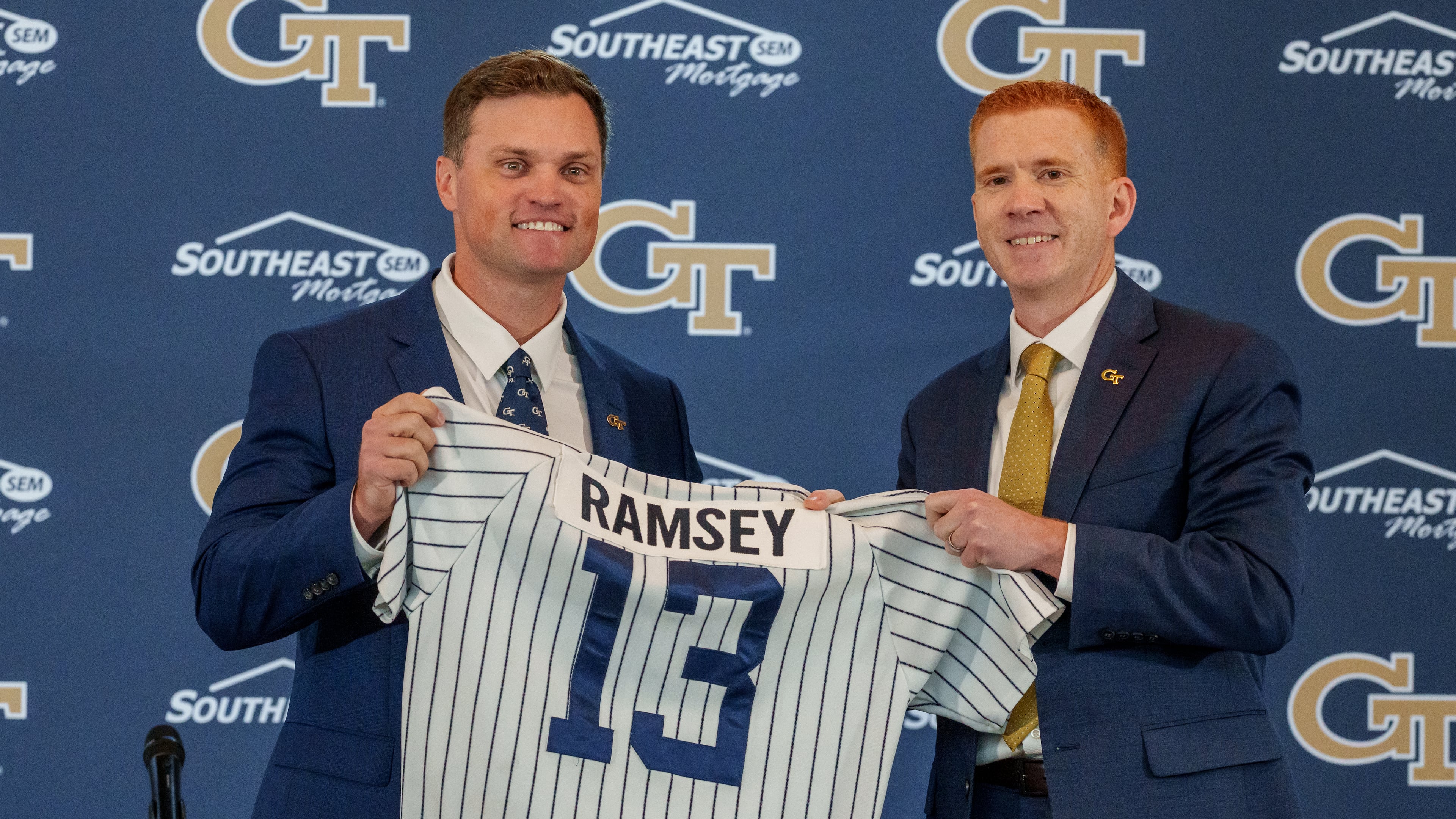
This one’s not a reach — Ramsey has been functionally the head coach for years while holding multiple key roles. Where some programs rebuild, this is a continuity handoff with zero learning curve and maximum operational knowledge of the roster and culture. He will just have to handle the optics of replacing a Hall of Fame head coach, Danny Hall.
From: Arizona Pitching Coach
To: San Diego State Head Coach
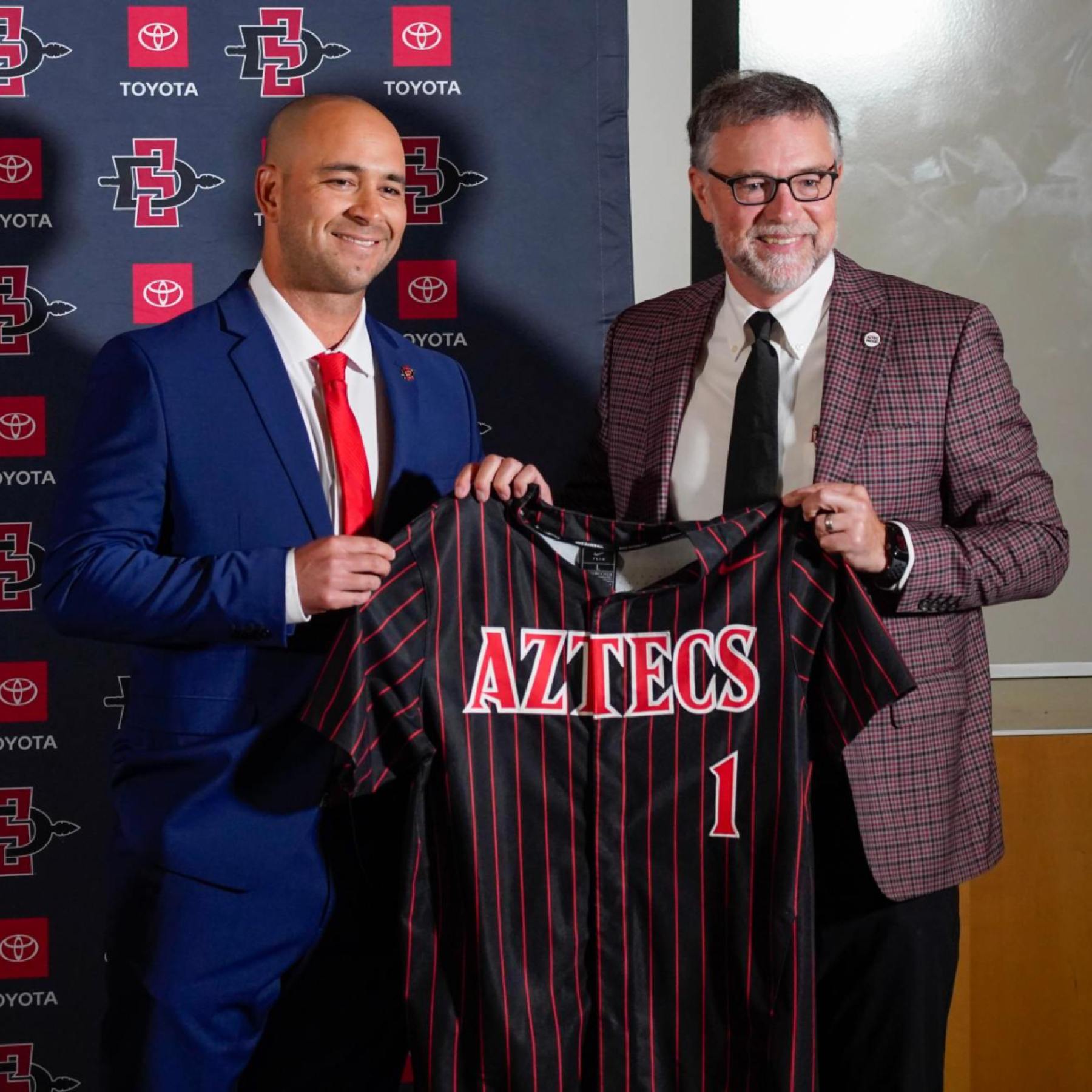
San Diego State isn’t exactly a small job — it’s a program with rich history and expectations. Vance returns home to San Diego, leaving a CWS team’s staff at Arizona and takes over a program that needs to reclaim its identity. That’s a very interesting hire because SDSU’s ceiling is high if he can match pitching chops with recruiting. He is hailed and respected as a pitching wizard around the industry.
DukeFrom: Wake Forest Pitching Coach
To: Duke Head Coach
This is the Duke job reset.
Muscara comes straight from Wake Forest, where the pitching development speaks for itself. Wake has been one of the most dominant arms-first programs in the country — velocity, pitch design, and depth.
Duke didn’t replace Pollard with a recruiter-only or placeholder. They went pitching infrastructure, which tells you exactly what their priority is moving forward. In the ACC, that matters.
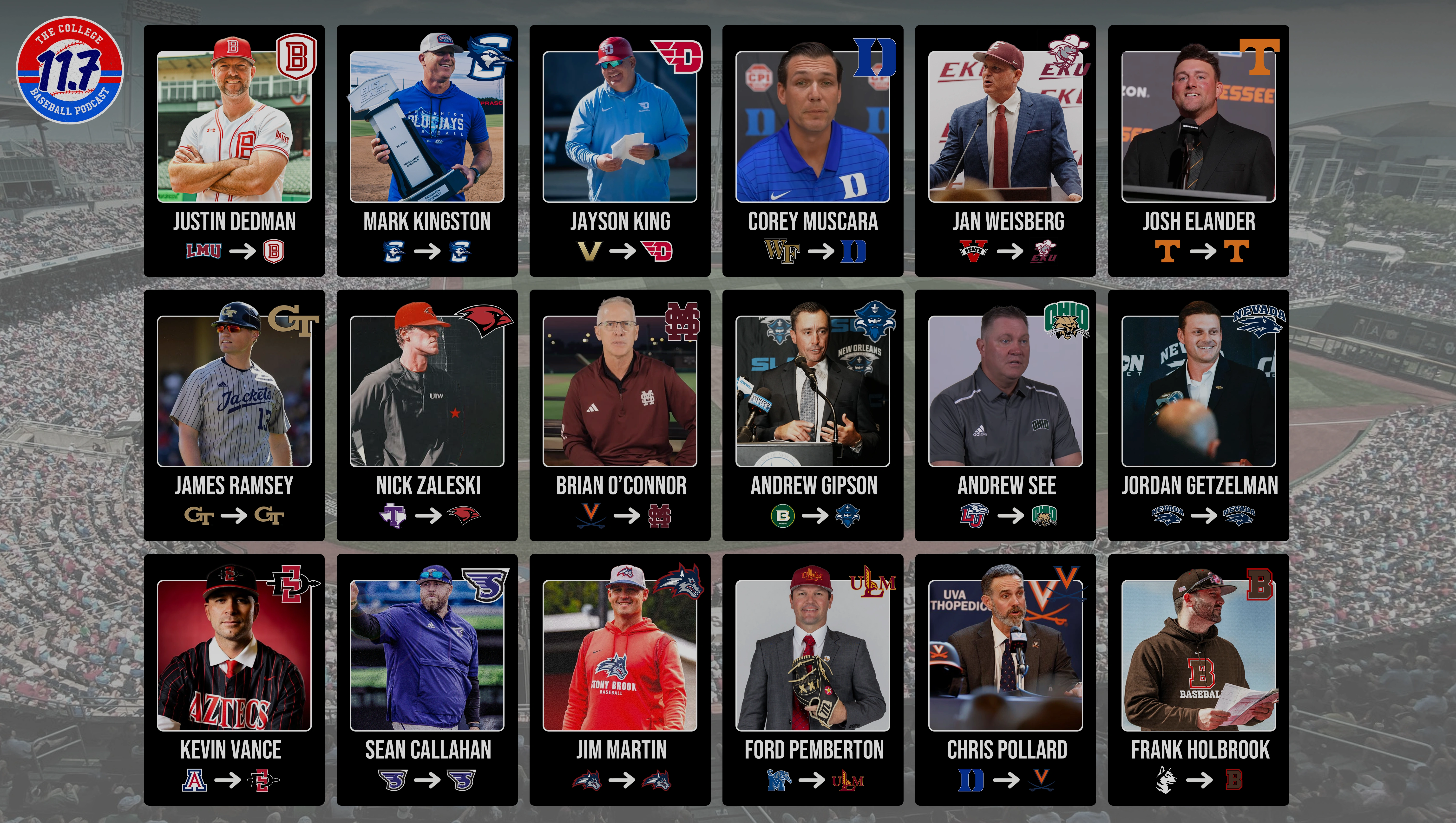

You don’t see this kind of shakeup every year.
The 2025–26 offseason didn’t just swap chairs — it reoriented some programs. There’s a mix of powerhouse hires, identity shifts, and smart bets that could pay dividends for years. Here’s the real deal on the biggest coaching moves and why they matter.
From: Associate Head Coach under Tony Vitello
To: Head Coach, Tennessee
This is huge. Tennessee just became the first program in college baseball history to see its head coach jump directly from college to MLB manager level.
Vitello didn’t just win — he built the most dominant regular-season program in the SEC over the last few years, capped by a 2024 national title and an SEC era that saw Tennessee racking up wins, power numbers, and a culture of excellence.
Elander steps in off that staff and has actually been in the engine room of that success — offensive identity, player development, and recruiting. He already made a splash by hiring Chuck Jeroloman — a top assistant from Florida with a legit resume and recruiting chops.
This isn’t a placeholder hire — it’s continuity with momentum.
From: Virginia Head Coach
To: Mississippi State Head Coach
This is as big as it gets in college baseball. O’Connor doesn’t just have wins — he built Virginia into a national brand: seven College World Series, a national title, consistent NCAA runs, a Hall of Fame resume and one of the most respected coaching bodies in the sport.
Landing him isn’t just replacing a coach — it’s a signal that Mississippi State is back in the national conversation. The Bulldogs have tradition and fan energy, and O’Connor brings consistent elite results and player development credibility.
From: Duke Head Coach
To: Virginia Head Coach
Virginia didn’t punt after losing O’Connor. They landed another coach with a proven track record — Pollard turned Duke into a consistent postseason threat with ACC titles and multiple NCAA appearances.
This is not a rebuild hire — it’s continuity at a high level of competition, which is exactly what a program with Virginia’s expectations needs.
From: Vanderbilt Assistant
To: Dayton Head Coach
King went from Dayton head coach to Vanderbilt assistant and now back to Dayton with SEC experience added to his résumé. That’s the kind of hybrid background mid-majors need — a seasoned builder who’s tasted elite-level recruiting and player development.
From: Northeastern Assistant
To: Brown Head Coach
Holbrook is one of those hires you sleep on at your own risk. Northeastern has been competitive in the Northeast, and Holbrook’s history of maximizing talent and absolutely crushing recruiting inefficiencies makes him an Ivy League threat. This could be the start of Brown swinging above its historical weight.
From: Georgia Tech Associate Head Coach
To: Georgia Tech Head Coach
This one’s not a reach — Ramsey has been functionally the head coach for years while holding multiple key roles. Where some programs rebuild, this is a continuity handoff with zero learning curve and maximum operational knowledge of the roster and culture. He will just have to handle the optics of replacing a Hall of Fame head coach, Danny Hall.
From: Arizona Pitching Coach
To: San Diego State Head Coach
San Diego State isn’t exactly a small job — it’s a program with rich history and expectations. Vance returns home to San Diego, leaving a CWS team’s staff at Arizona and takes over a program that needs to reclaim its identity. That’s a very interesting hire because SDSU’s ceiling is high if he can match pitching chops with recruiting. He is hailed and respected as a pitching wizard around the industry.
DukeFrom: Wake Forest Pitching Coach
To: Duke Head Coach
This is the Duke job reset.
Muscara comes straight from Wake Forest, where the pitching development speaks for itself. Wake has been one of the most dominant arms-first programs in the country — velocity, pitch design, and depth.
Duke didn’t replace Pollard with a recruiter-only or placeholder. They went pitching infrastructure, which tells you exactly what their priority is moving forward. In the ACC, that matters.


